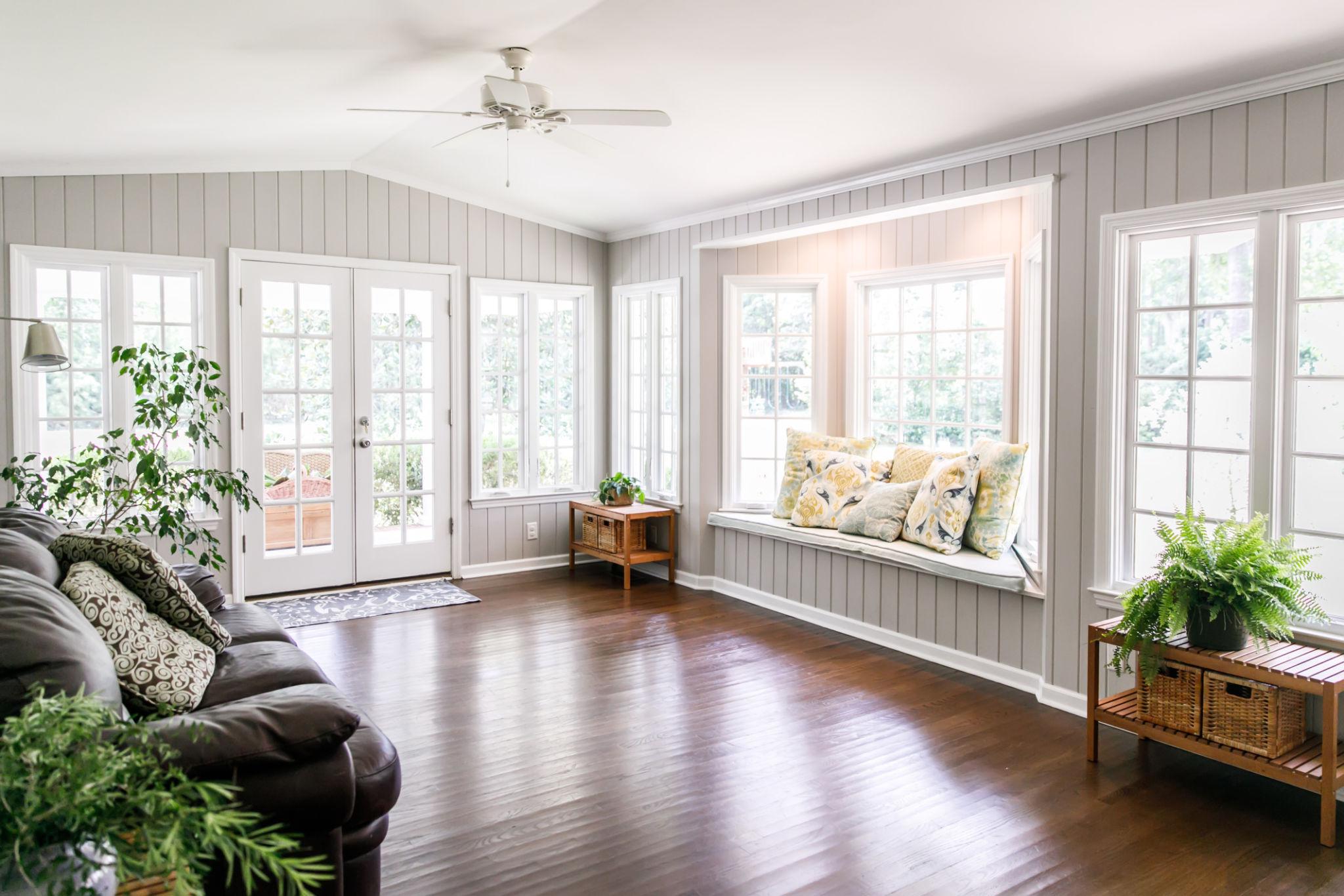
How to Keep Homes Cool in Ottawa Naturally
As Ottawa transitions from late spring into summer, many homeowners begin to notice a sudden increase in indoor temperatures. Rooms that once felt comfortable can quickly become warm and stuffy—especially during the afternoon when sunlight is at its strongest.
While turning on the air conditioner is the most common solution, relying on it too early or too often can lead to higher energy bills and unnecessary strain on your cooling system.
The good news is that there are effective ways to keep your home cooler naturally. By understanding how heat enters your home—and how your windows and patio doors contribute to indoor temperatures—you can improve comfort without depending heavily on air conditioning.
Even homes with professionally installed systems from Advanced View Windows & Doors Inc. can benefit from better airflow strategies and seasonal adjustments.
Why Homes Heat Up Quickly in Ottawa
During late spring and early summer, Ottawa experiences longer daylight hours and stronger sun exposure. As sunlight enters your home through glass surfaces, it turns into heat that becomes trapped indoors.
This is known as solar heat gain, and it’s one of the main reasons homes feel warmer as the seasons change.
Homes with the following features are more likely to heat up quickly:
Large windows or glass doors
South- or west-facing exposure
Open-concept layouts
Limited airflow
The Role of Windows in Indoor Heat
Windows play a major role in how much heat enters your home. Older or less efficient window systems allow more sunlight and heat to pass through—especially during peak afternoon hours.
This can make certain rooms feel significantly warmer than others.
Modern upgrades like triple-pane windows are often associated with winter insulation, but they also help reduce heat transfer during warmer months. Better-insulated windows limit how much outdoor heat enters your home, making it easier to maintain a consistent indoor temperature.
If your home heats up quickly, your windows may be contributing more than you realize—something the team at Advanced View Windows & Doors Inc. often helps homeowners assess.
Manage Sunlight Before It Becomes Heat
One of the simplest ways to reduce indoor heat is by controlling how much sunlight enters your home.
When sunlight passes through glass, it immediately starts warming interior surfaces like floors, furniture, and walls.
To reduce this:
Close blinds or curtains during peak hours (12 PM – 5 PM)
Use blackout or thermal curtains
Install UV-blocking window films
These small adjustments can significantly reduce heat buildup without requiring major upgrades.
Airflow is one of the most overlooked factors in home comfort. Without proper circulation, warm air gets trapped inside—making rooms feel hotter than they actually are.
To improve airflow:
Open windows during early morning or evening
Use ceiling fans to circulate air
Create cross-ventilation by opening windows on opposite sides
Better airflow helps remove warm air and replace it with cooler air, especially during Ottawa’s cooler evenings.
Patio Doors and Heat Exposure
Patio doors are another major contributor to indoor heat gain. Because they typically feature large glass panels, they allow more sunlight into your home compared to standard doors.
Homes with patio doors facing direct sunlight often experience:
Warmer living areas
Uneven temperatures
Increased reliance on cooling systems
When considering upgrades with Advanced View Windows & Doors Inc., it’s important to evaluate how patio doors perform not just in winter—but during warmer months as well.
Seal Gaps and Improve Insulation
Even small gaps around windows and doors can allow warm air to enter your home. Over time, seals can wear down, reducing their effectiveness.
Check for:
Loose or damaged weatherstripping
Small cracks around frames
Gaps where air can pass through
Sealing these areas helps maintain a more stable indoor temperature and reduces unwanted heat entry.
When Overheating Becomes a Bigger Issue
While some level of indoor warmth is normal during late spring and summer, excessive overheating may indicate a deeper issue.
Signs to watch for include:
Rooms that are consistently hotter than others
Air conditioning running constantly
Noticeable heat near windows or glass surfaces
Rising energy bills
If you’re experiencing these issues, a professional assessment from Advanced View Windows & Doors Inc. can help determine whether your current windows or patio doors are contributing to the problem—and what solutions are available.
Keeping your home cool in Ottawa doesn’t always require heavy reliance on air conditioning. By managing sunlight, improving airflow, and understanding how windows and patio doors affect indoor temperature, homeowners can create a more comfortable living space.
Small changes—like adjusting blinds or improving ventilation—can make a noticeable difference. Over time, these adjustments can also help reduce energy costs and improve overall home efficiency.
As warmer months settle in, taking proactive steps now can help you stay comfortable—while getting the most out of your home and your investment in quality windows and doors from Advanced View Windows & Doors Inc..
