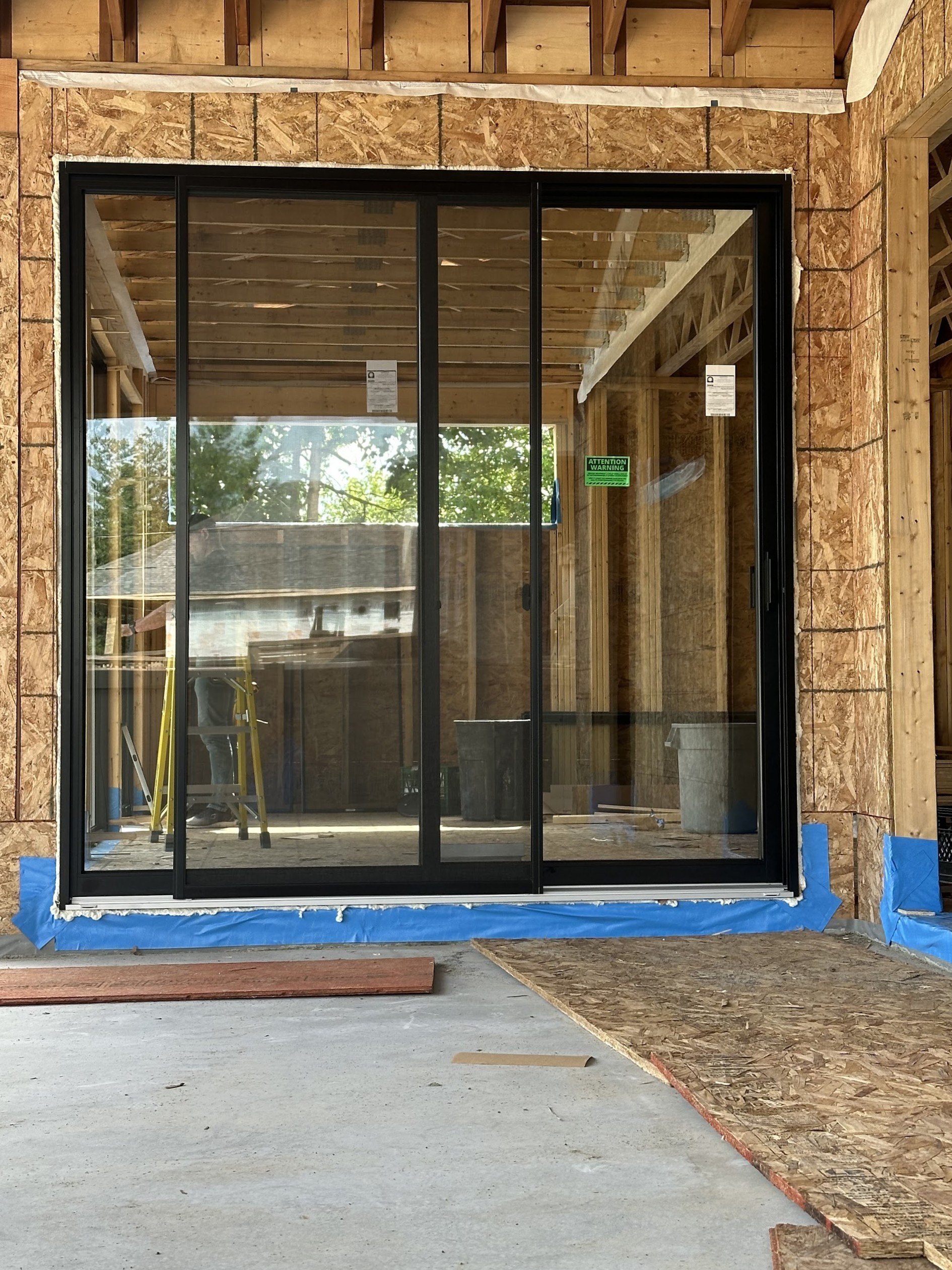
Why Patio Doors Get Drafty in Ottawa Winters
Ottawa winters are known for extreme cold temperatures, heavy snow, and strong winds that can last for months. While most homeowners expect some level of heat loss during winter, many are surprised when their patio doors begin to feel noticeably drafty.
Cold air entering through patio doors can make rooms uncomfortable and increase heating costs. In many cases, homeowners assume the door is broken or poorly installed, but the reality is more complex.
Even high-quality systems installed by companies like Advanced View Windows & Doors Inc. can experience performance changes over time due to harsh seasonal conditions.
Understanding why patio doors become drafty in winter is the first step to fixing the problem.
Extreme Temperature Differences Between Inside and Outside
One of the main reasons patio doors feel drafty in winter is the extreme temperature difference between indoors and outdoors.
In Ottawa, outdoor temperatures can drop far below freezing, while indoor homes remain warm and heated. This creates constant pressure on door materials.
When materials are exposed to these differences:
Frames expand and contract
Seals become less tight over time
Small gaps may form
Even a tiny gap can allow noticeable cold air to enter during strong winter winds.
Worn Weatherstripping and Seals
Weatherstripping plays a major role in preventing air leaks around patio doors. It acts as a barrier between the moving parts of the door and the frame.
Over time, weatherstripping can wear down due to:
Constant opening and closing
Exposure to cold temperatures
Seasonal expansion and contraction
Common signs of worn seals:
Cold air near the edges of the door
Whistling sounds during wind
Visible cracks or flattening in rubber strips
Dust or debris entering the home
When weatherstripping deteriorates, even a properly installed door can feel drafty.
Frame Movement from Seasonal Changes
Another major cause of drafty patio doors is slight frame movement caused by temperature fluctuations.
Ottawa’s climate creates constant freeze-thaw cycles, which affect building materials over time.
As materials react to temperature changes:
Frames may shift slightly
Alignment may change
Seals may no longer sit tightly
This movement is often gradual and not immediately noticeable, but it becomes more obvious during winter when cold air finds its way inside.
Glass Insulation and Door Quality
The type of glass used in patio doors also affects how drafty they feel in winter.
Older or lower-quality patio doors may include:
Single-pane glass
Basic double-pane systems without gas fill
Poor edge insulation
These types of systems allow more heat transfer, making indoor areas feel colder.
Modern patio doors use:
Insulated glass units
Argon gas between panes
Low-emissivity coatings
These features help reduce heat loss and improve comfort during Ottawa winters.
Sliding Track Issues and Door Alignment
Sliding patio doors rely on tracks to function smoothly. Over time, these tracks can collect:
Dirt
Ice buildup
Debris
When this happens, the door may not close properly or may sit slightly uneven.
Even a small misalignment can create gaps that allow cold air to enter. This is especially common during winter when ice buildup is frequent.
Wind Pressure and Exposure
Ottawa homes often experience strong winter winds that push against exterior doors and windows.
When wind pressure hits a patio door:
It tests the strength of seals
It pushes air through weak points
It increases the feeling of drafts inside
Homes that face open fields or less sheltered areas often experience stronger wind-related drafts.
Condensation and Moisture Effects
Condensation forms when warm indoor air meets cold glass surfaces. While it may seem like a surface issue, it can indicate insulation inefficiency.
Over time, moisture can:
Affect seals
Contribute to material wear
Reduce overall door performance
Although condensation does not directly cause drafts, it often appears alongside insulation issues.
How Homeowners Can Reduce Drafts
There are several ways homeowners can reduce cold air entering through patio doors:
Replace or repair weatherstripping
Keep sliding tracks clean and free of ice
Check for visible gaps in the frame
Use draft stoppers during winter
Maintain proper indoor humidity levels
These steps can significantly improve comfort without major upgrades.
When Drafts Indicate a Bigger Issue
If drafts persist even after basic maintenance, it may indicate a deeper issue with the patio door system.
Warning signs include:
Constant cold air leaks
Difficulty closing or locking the door
Visible frame warping
Increasing energy bills
In these cases, professional assessment may be needed. Trusted providers like Advanced View Windows & Doors Inc. can evaluate whether repair or replacement is necessary.
Drafty patio doors are a common issue in Ottawa due to extreme winter conditions, temperature fluctuations, and long-term material wear.
While the problem can be frustrating, it is often caused by understandable environmental factors rather than immediate door failure.
With proper maintenance and awareness, homeowners can reduce drafts and maintain better comfort during the coldest months of the year.
Understanding how patio doors respond to Ottawa’s climate helps homeowners make smarter long-term decisions about their homes.
